Finding The Middle Of The Pendulum: A Relational Journey In Horsemanship.
When what we’re doing doesn’t feel right, many of us swing to the opposite extreme. So how can we find a healthy middle ground?
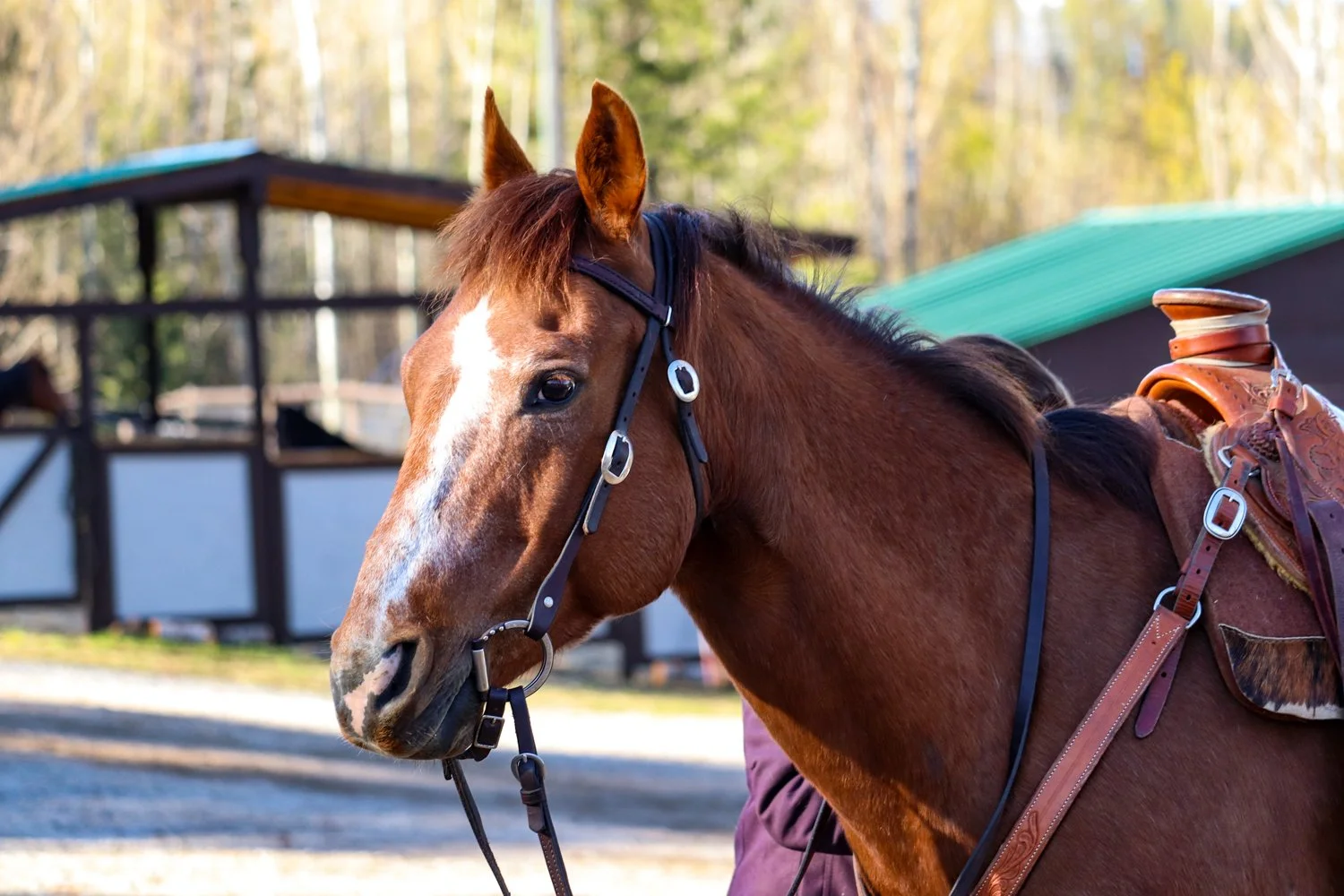
Many of us come to relational horsemanship not because everything is going well, but because something feels deeply wrong. The majority of us start seeking something different because what we’re doing isn’t working. It may be that we’re struggling with pressure, anxiety, control, or that our horses are constantly spooking, going unsound, and/or unwilling to do the things we want them to do. We may be getting some help and not resonating with the instruction we’re receiving to fix our problems. Maybe we see various pressures being used in a way that makes us uncomfortable, or we hear certain opinions about horses that make us question whether or not we’re doing the right thing.
In my experience, during this time, if we’re not 100% on board with what’s happening, but we don’t know what to do, we either take a break from horses completely, stop getting help and try to muddle through, or begin the process of actively seeking something different.
For me personally, that search for “something different” led to a complete pause in my relationship with horses and the horse world (this was long before smartphones and before the internet was readily available…). I was scared and tired. I’d had several injuries, had seen some challenging things, and had participated in a training style that made me question whether what we were doing was right for the horse.
The coach I was working with was quite progressive and really did care for the horses. She brought in and rehabilitated horses from tough situations and was truly doing her best with the knowledge that was available at the time. It still left me questioning why I was scared and anxious all the time. I thought that if riding horses was supposed to feel like this, then maybe I wasn’t cut out for horses in the first place.
No matter what our decision, this time can become a huge catalyst for change. We are blessed to live in a time where information is readily available and at our fingertips. In our quest for change, we search out everything we can. I would say, though, that most of us (myself included) start with the exact opposite of what we’ve been experiencing. If we started all the way over to the left, then we generally start our process all the way over to the right. I look at it like we’re swinging a pendulum: from highly traditional, pressure-based approaches all the way to systems that almost avoid pressure altogether.
This is a very important time for us. We’re learning new things, having new experiences, and finding new ways of being with horses. For some of us, this is home. For others, after a time, we start to feel the same feelings we had while camping out on the other side of the pendulum. Maybe we’re not seeing the same use of pressure, nor are we hearing the same descriptive words being used, but we’re also still not able to do the things that got us into horses in the first place. Maybe our horses are feeling better, and we’re feeling better, but we can’t leave the property, work stock, jump, or trail ride.
We’ve moved away from fear and pressure, but now we feel stuck and limited in what we can actually do together. Confusion sets in, and now we’re really in a pickle. We still desire to have a healthy relationship with our horse but also want to do fun things. Can we do both? Can we find the center of the pendulum? The short answer is yes! You can leave the property, head down the trail, move cows and/or show jump. When we understand both the horse’s needs and our own, we can enjoy these things without sacrificing the relationship.
Understanding how our horses think, what their needs are, how we can work with pressure in a way that builds relationship instead of fear, and becoming curious about how our bodies process stimuli lays a foundation for us to begin navigating the world while also regarding our horses and what they need to feel safe. This is a road less travelled and isn’t always easy. We need to be willing to take a look inward, to explore pieces of ourselves, and to develop a new way of thinking when it comes to understanding the horse. But if we can commit ourselves to the process, the relationships we build with our equine partners are unlike any other.
-B