Pressure Isn’t The Enemy, It’s The Conversation
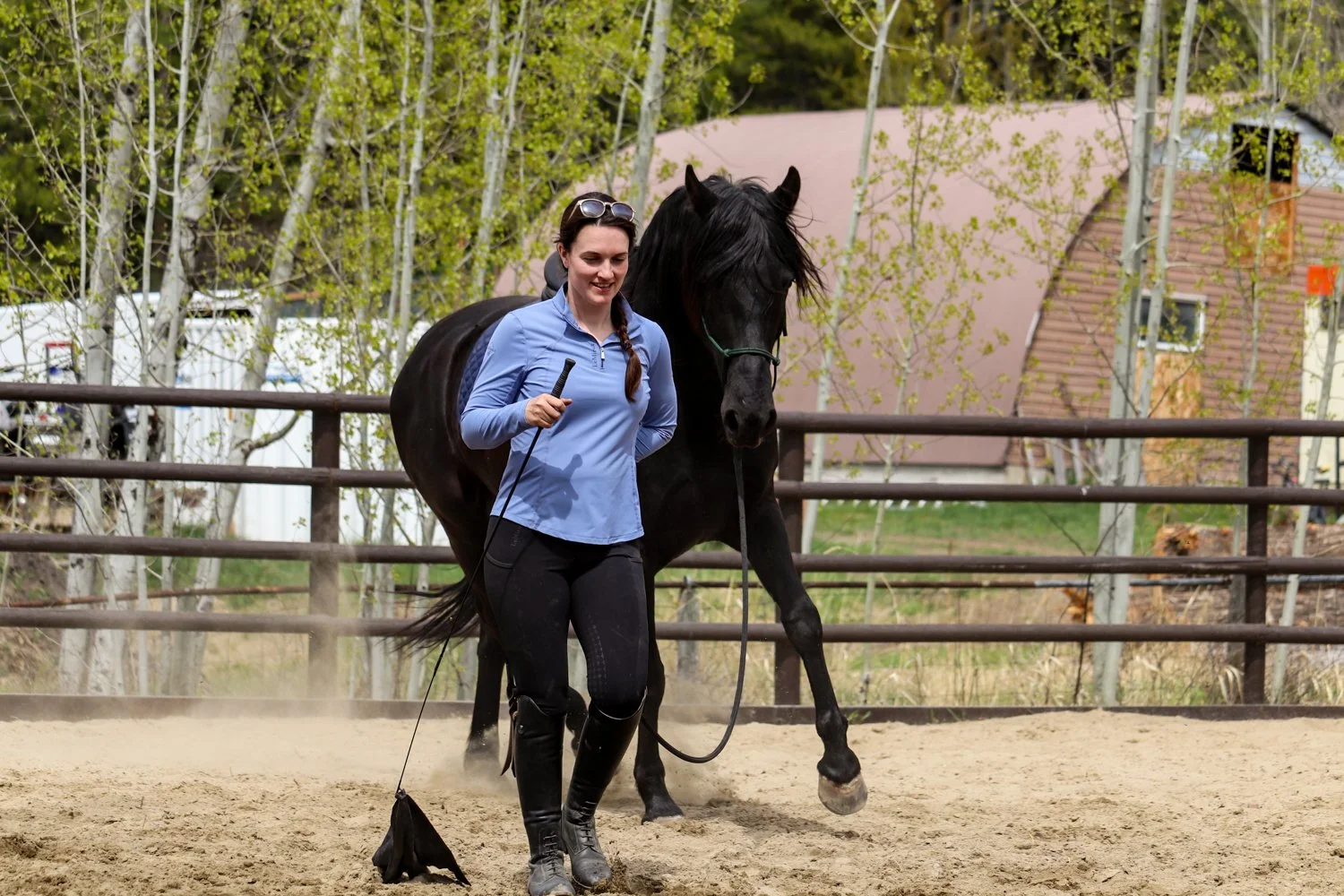
Pressure is an interesting thing. It’s invisible, but it shapes almost everything we do. It nudges us to grow, to evolve, to try something new or imagine a change. It’s there when we set a goal, and it’s there when we avoid one. Even when we decide to do nothing, pressure doesn’t disappear; it just lurks in the background of our minds, quietly influencing us. It guides our decisions—sometimes gently, sometimes not—and often becomes the primary catalyst for change in our lives.
Horses live in a world defined by pressure too, but their relationship with it is far more honest and immediate than ours. They don’t rationalize it or overthink it. They don’t make up stories about it. They feel it, and they respond. To a horse, life is constantly asking one basic question: “What will you do with this pressure?”
A rustle in the bushes. A movement at the edge of their vision. The feel of a rein, a leg, a rope, a cow, a moose in the trees. All of these are pressures. And in every moment, the horse is deciding whether that pressure is something to flee from, fight against, or freeze in front of.
In the beginning, before any training or partnership with a human develops, a horse generally has three instinctive responses to pressure: flight, fight, or freeze. These options are hardwired for survival. If something feels threatening, running away (flight), defending themselves (fight), or stopping and shutting down (freeze) might very well keep them alive. From the perspective of a wild horse, these are brilliant strategies.
From the perspective of a riding horse, however, these same strategies can become dangerous. A thousand-pound animal that chooses to bolt, buck, or shut down in response to everyday pressures is not only hard to ride, but potentially unsafe. So our job, as riders and handlers, is not to erase these instincts—they’re part of who the horse is—but to help them discover a fourth option.
That fourth option is: think.
Horses do have a frontal lobe. They can learn, process, and make choices. They are highly intelligent, sensitive beings. But that intelligence is only accessible when they are not overwhelmed by anxiety or fear. When they’re stuck in a fear-based state, their world shrinks back down to those three primal options: flight, fight, freeze. When we talk about developing a riding horse, what we’re really talking about is helping the horse learn how to think under pressure instead of just surviving it.
We have the capacity—and the responsibility—to teach this. We can show our horses that pressure does not always equal danger, and that engaging with pressure mentally can actually make it go away. This is where confidence is built.
Consider a horse working stock for the first time. At the start, the cattle are just another source of pressure: strange, unpredictable, and potentially scary. The horse might want to shy away or rush past. But then something interesting happens when we give them time and support.
The horse looks at the cattle. The cattle move away.
The horse takes a step forward. The cattle move again.
The horse takes another step, this time with a little more curiosity and a little less fear.
Slowly, the horse realizes: “When I move my feet with intention and focus, the pressure (the cattle) yields.” Before long, you might see that same horse pinning his or her ears at the stock, moving them with purpose, confidence, and even a bit of authority. The pressure that once felt overwhelming has become something the horse can influence. That’s thinking under pressure. That’s engagement instead of reactivity.
This is the essence of the fourth option: think and engage.
By repeatedly exposing our horses to manageable levels of pressure—and then helping them find the answer through thought and movement—we show them that they are not victims of their environment. We invite them into a new pattern: “When I feel pressure, I can search for an answer. I can influence my world.”
When horses begin to understand this, their entire outlook changes. They start to feel more in control and less at the mercy of everything around them. And as their confidence grows, so does ours. A horse that can think under pressure helps settle our own self-preserving instincts about riding, trying new things, and stepping into unfamiliar situations. We feel safer because we know our partner is not just reacting—they’re participating.
For horses, life will always be full of pressure: a moose moving through the trees, a cow turning suddenly, the swing of a rope, the feel of reins or a leg asking for a change. They are constantly telling us how they feel about these pressures with every flick of an ear, every change in breathing, every shift of weight or tension in their bodies.
If we can learn to listen to what they’re saying, and then help them feel more in control of those pressures, we set the stage for a very different kind of relationship. Instead of a horse that survives the ride, we get a horse that joins us in it. Instead of a partner ruled by fear, we get one who can respond thoughtfully, even when things get intense.
In the end, pressure is not the enemy—for us or for them. It’s the conversation. And when we teach our horses that they can think through pressure rather than be overwhelmed by it, we don’t just create better riding horses. We create more confident, empowered, and willing partners who are capable of meeting the world, not with panic, but with presence.
-B